


Art Museum
Museo Diocesano Adriano Bernareggi
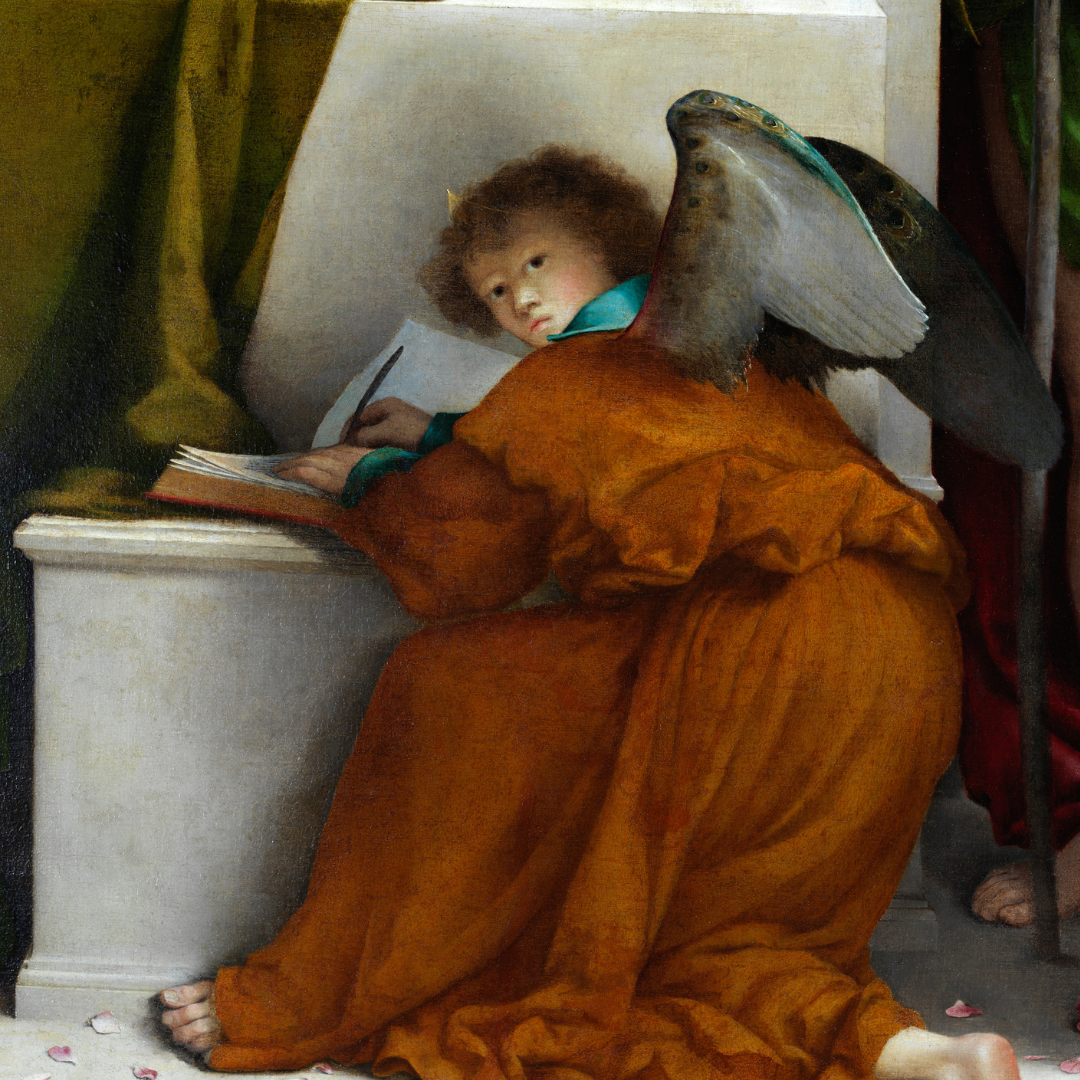
The heart of the Bernareggi beats within the walls of the ancient Bishop's Palace, overlooking Piazza Duomo, in the centre of Upper Bergamo. The building has come back to life after a long restoration, which has brought to light domus Roman, medieval walls and Renaissance frescoes. More than seventy works are exhibited in its rooms, signed by names that have made art history: from Lorenzo Lotto to Giovan Battista Moroni, from Evaristo Baschenis to Giacomo Manzù. Fulcrum of the itinerary, the’Aula PictaThe Bishop's former audience hall, frescoed in the 13th century on all four walls, where scenes from the life of Christ coexist with eschatological visions and medieval bestiaries.
In Baptistery of the Cathedral, located a few steps away, architecture and liturgy merge, between the buzz of the square and the silence of the rite. A small but meaningful space, where the experience of visiting is transformed into contemplation. The building, rebuilt in its current form at the end of the 19th century, houses eight marble reliefs inside, masterpieces by Giovanni da Campione, retracing the life of Christ. Outside, in the corner pillars, the Virtues ideally support the dome, in a gesture uniting earth and sky.
L'Old Cathedral Palaeo-Christian is located beneath the present Cathedral of St Alexander. Thanks to the archaeological excavations carried out between 2004 and 2012, an area can now be visited that yields traces of Bergamo's first cathedral, erected in the 5th century and dedicated to St. Vincent. Along the evocative route you will come across the remains of the sacred building, but also parts of domus Roman, workshops and ancient flooring. Behind the frescoed iconostasis, several rooms house the cathedral's liturgical treasury, with jewellery and sacred vestments.
Finally, theOratory of St Wolf, located on the way to the Lower Town, is the last stop on the route. Built between the 16th and 17th centuries, it houses 18th-century frescoes decorating the vault and walls. The single hall, enriched with women's galleries and overlapping arches, creates an intimate and cosy atmosphere, today made even more lively by the use of the space for contemporary art exhibitions and cultural initiatives. The Oratory thus becomes a bridge between religious memory and contemporary art, offering a continuous dialogue between past and present.









 Digital Assistant