


Archaeological Museum
MUSEO CIVICO di MANERBIO E DEL TERRITORIO
The exhibition venue covers an area of approx. 500 sqm. In the adjacent rooms are the educational workshop, the personnel office with specialist library, the headquarters of the Archaeological Group and the equipped depot for the cataloguing and study of artefacts.
From 2004 there is an active teaching service aimed at school classes, which it offers:
- Guided tours traditional and animated tours with costumed characters.
- Thematic routes and practical workshops.
From the Neolithic to the Gallic Age
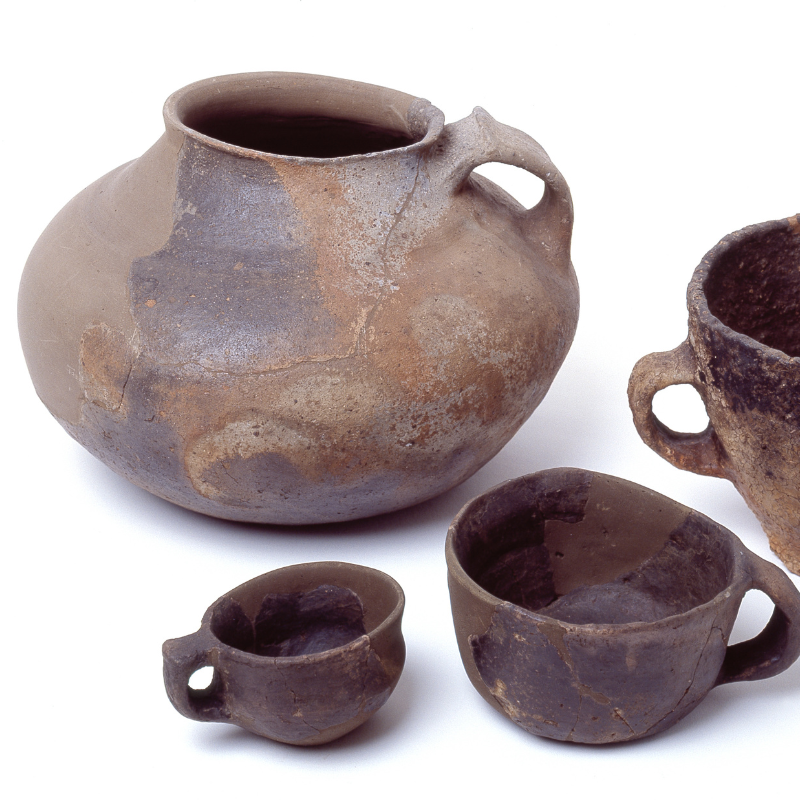
The route, organised in chronological order, traces the peopling of the lower Brescia plain from Neolithic (6th millennium B.C.) up to the post-medieval age. The earliest periods are evidenced by flint artefacts, square-mouthed vessels and bronze daggers from the sites of the Vallone di Offlaga, Milzanello and the river Oglio.
Particular emphasis is placed on the presence of the Galli Cenomani, settled in the territory since the 4th century BC.. Among the most famous finds related to this phase are:
- Le Cascina Remondina moths.
- The treasury of over 3000 coins of Gavrine Nuove (the originals of which are now in the Santa Giulia Museum in Brescia).
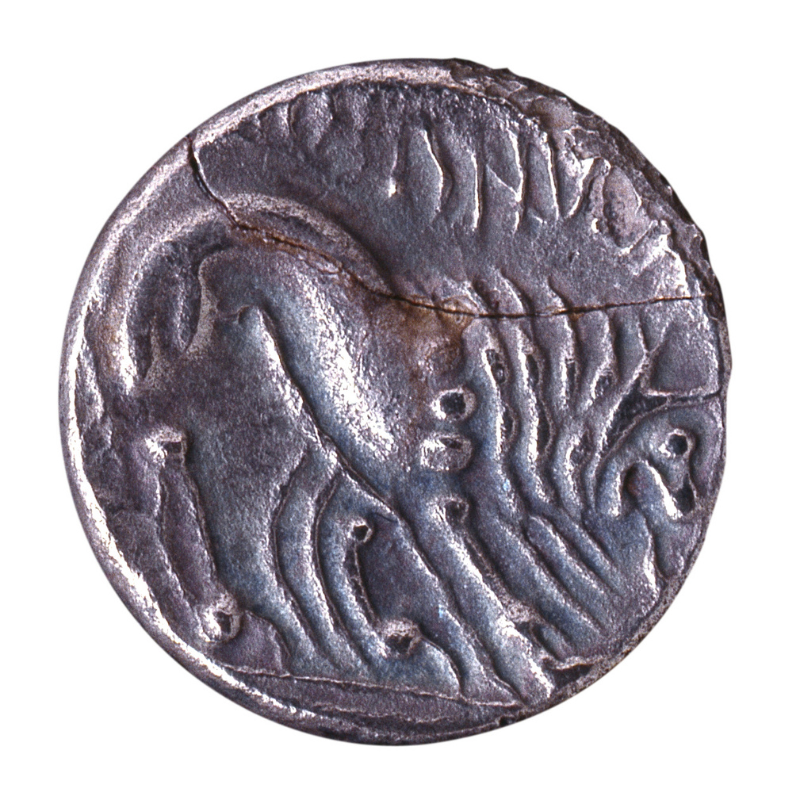
- Le silver drachmas, which confirm the strategic importance of Manerbio in Celtic times.
The Roman Age and the Early Middle Ages
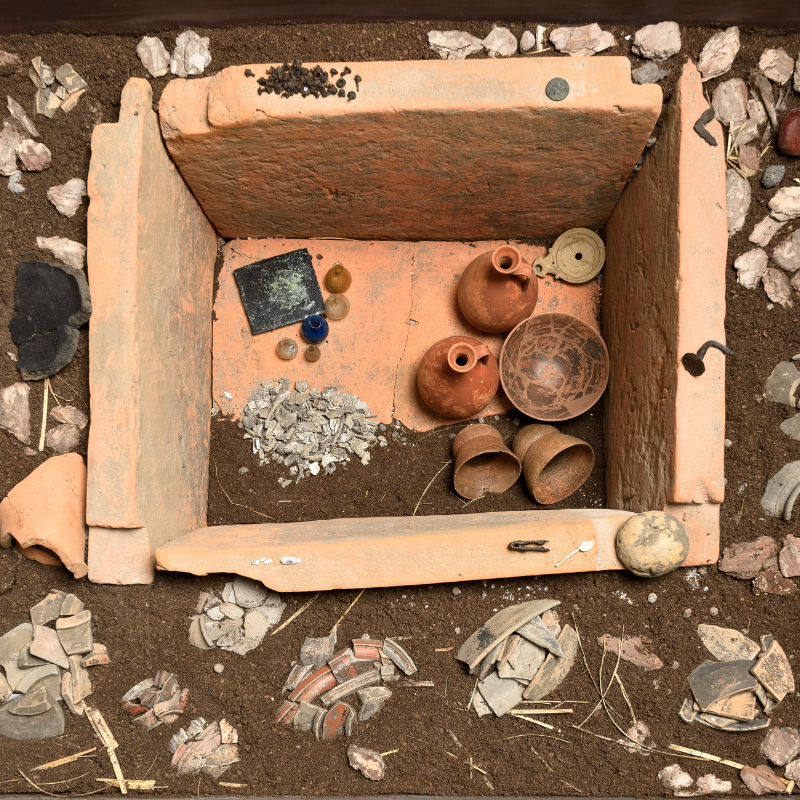
L'Roman era is amply documented by grave goods. Of exceptional interest is the necropolis of Cascina Trebeschiwith 44 incineration tombs dated between the 1st and 3rd centuries AD. The richness of these grave goods reflects the wealth of the’local elite, now fully integrated into the imperial social and cultural system.
One find of absolute value is the’the only known coinage in Italy of Aripertus I, Lombard king who reigned from 653 to 661.
The Post-Medieval Age
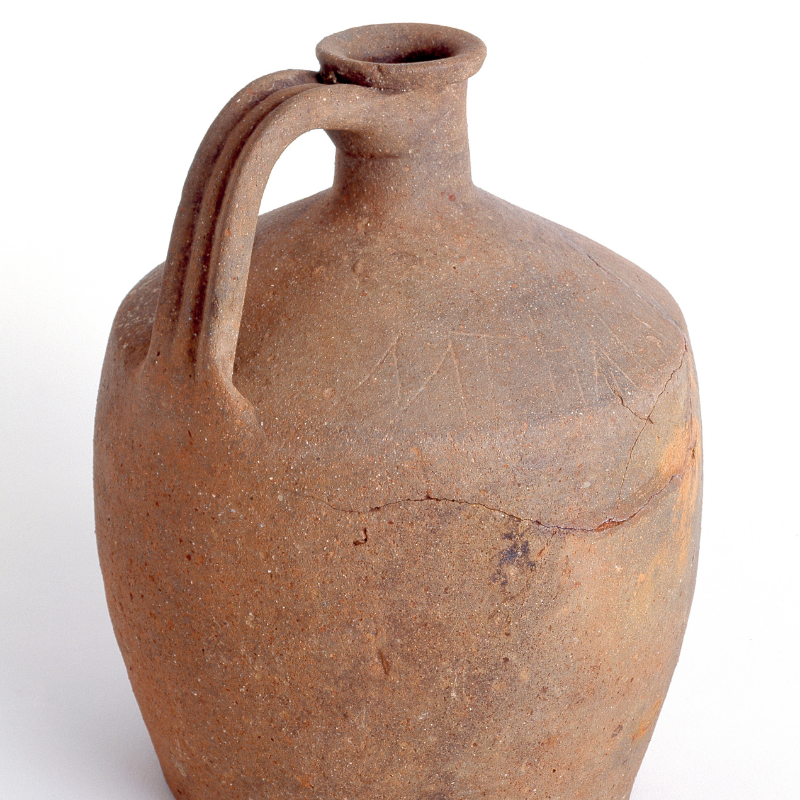
The tour concludes with the post-medieval phase, represented by a rich collection of glazed and engobed ceramics recovered from the Marianna Roggia. These finds testify to the liveliness of local workshops, such as that of the famous ceramist Saint Pellegrino, identified by the seals on its artefacts.











 Digital Assistant